
South Korea is a major buyer of recycled plastic raw materials, and India is a growing, cost-competitive source. Korean importers, compounders and converters can buy recycled HDPE, PP, PET, LDPE/LLDPE and ABS granules from Indian suppliers, often with preferential duty under the India–Korea trade agreement. This guide walks through the process from specification to delivery in Busan.
How to Import Recycled Plastic Granules from India to South Korea: CEPA, HS Codes and Shipping
A practical step-by-step guide for Korean buyers: specifications, India–Korea CEPA, HS codes, Incoterms, shipping to Busan and the documents you need.
Step 1: Define the specification
Send your supplier the polymer, process, target MFI (or IV for PET), colour, contamination limit, monthly volume and packing. Clear specifications are the best protection against quality disputes. Our product pages list typical ranges for HDPE, PP, PET, LDPE/LLDPE and ABS.
Step 2: Samples and trial lot
Ask for photos and a sample of the actual lot, and test it on your line. For regular supply, a trial container or a smaller trial quantity reduces risk before you commit to monthly volumes.
Step 3: Check the HS code and CEPA eligibility
India and South Korea have traded under the Comprehensive Economic Partnership Agreement (CEPA) since 2010. Where a product meets the agreement’s rules of origin, the exporter can provide a CEPA certificate of origin, and your Korean customs broker can apply for preferential duty. Commonly used HS codes:
| Product | HS code (6-digit) |
|---|---|
| Recycled HDPE granules | 3901.20 |
| Recycled LDPE granules | 3901.10 |
| Recycled LLDPE granules | 3901.40 |
| Recycled PP granules | 3902.10 |
| Recycled PET granules | 3907.61 / 3907.69 |
| Recycled ABS granules | 3903.30 |
Always confirm the final tariff line, duty rate and any import requirements with your customs broker in Korea.
Step 4: Agree Incoterms and price
Most offers from India are quoted FOB (you arrange the ship), CFR (the supplier pays freight to the Korean port) or CIF (freight plus insurance). For a first order, CFR or CIF Busan is usually the simplest for the buyer.
Step 5: Shipping from India to Korea
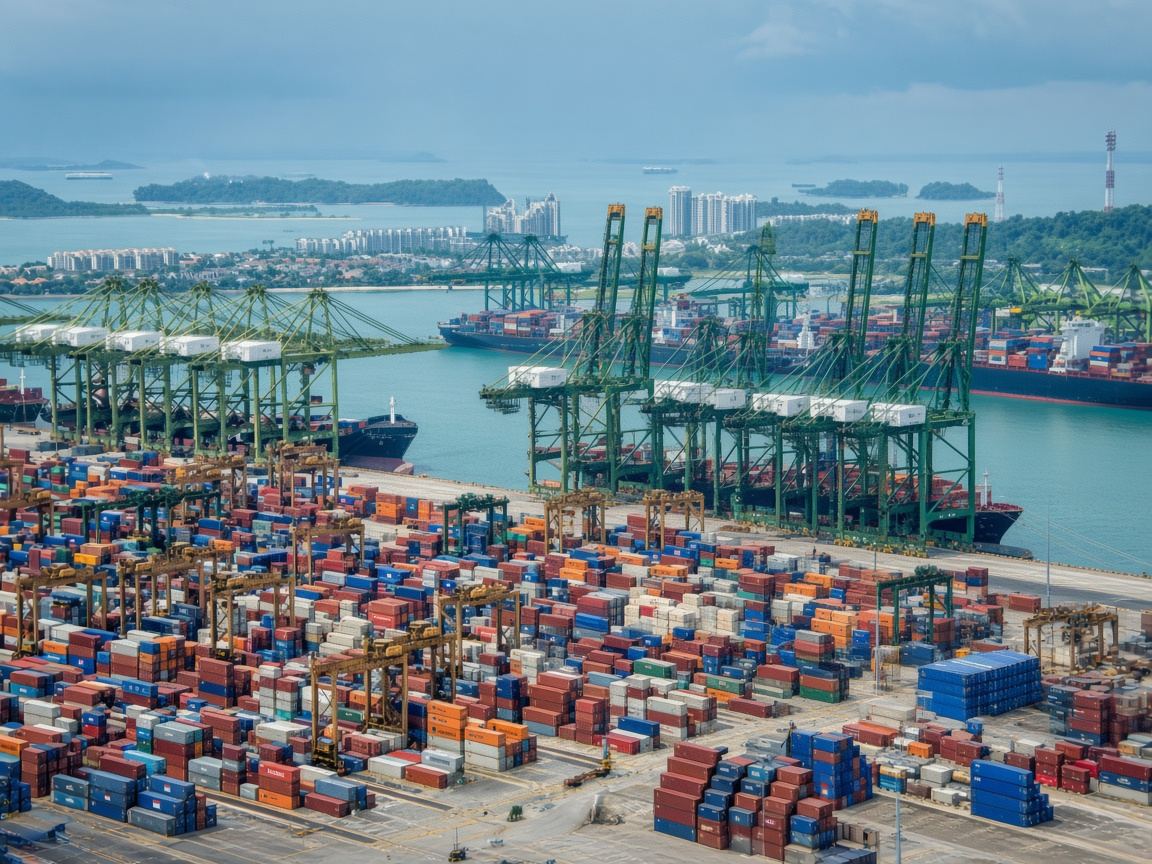
Containers usually leave from Mundra, Pipavav or Nhava Sheva on India’s west coast and arrive at Busan, Incheon, Gwangyang or Pyeongtaek. Sea transit is typically around 2–4 weeks depending on the carrier and transhipment. A 20 ft container holds roughly 16–20 MT of bagged pellets; a 40 ft high-cube around 24–26 MT.
Step 6: Documents you should receive
- Commercial invoice and packing list
- Bill of lading
- Certificate of origin (CEPA where eligible)
- Certificate of analysis or datasheet where available
- ISPM-15 compliant pallets if wooden pallets are used
Working with JainNexa International
JainNexa International is an IEC, GST, MSME and FIEO-registered merchant exporter in Ahmedabad with an ISO 9001:2015 quality system. We match your specification to verified Indian processors, check lots before release and prepare export documents. See our South Korea page.
Frequently asked questions
Can I get lower duty in Korea on recycled granules from India?
Possibly. Where the product qualifies under India–Korea CEPA rules of origin, a CEPA certificate of origin can be issued and your broker can claim preferential duty.
How long does shipping from India to Busan take?
Sea transit is typically around 2–4 weeks from Mundra or Nhava Sheva, depending on the carrier and routing.
Which Incoterm is best for a first order?
CFR or CIF Busan is usually simplest for a first order because the supplier arranges the ocean freight.
Need a quotation?
Send your product, specification, monthly quantity and destination. We reply with availability, options and next steps.