
Flexible intermediate bulk containers (FIBC), also called jumbo bags, bulk bags or ton bags, carry 500 to 2,000+ kg of powders, granules and other bulk materials. Choosing the right FIBC is about safety as much as cost — especially in flammable environments and for food products. This guide explains the main choices.
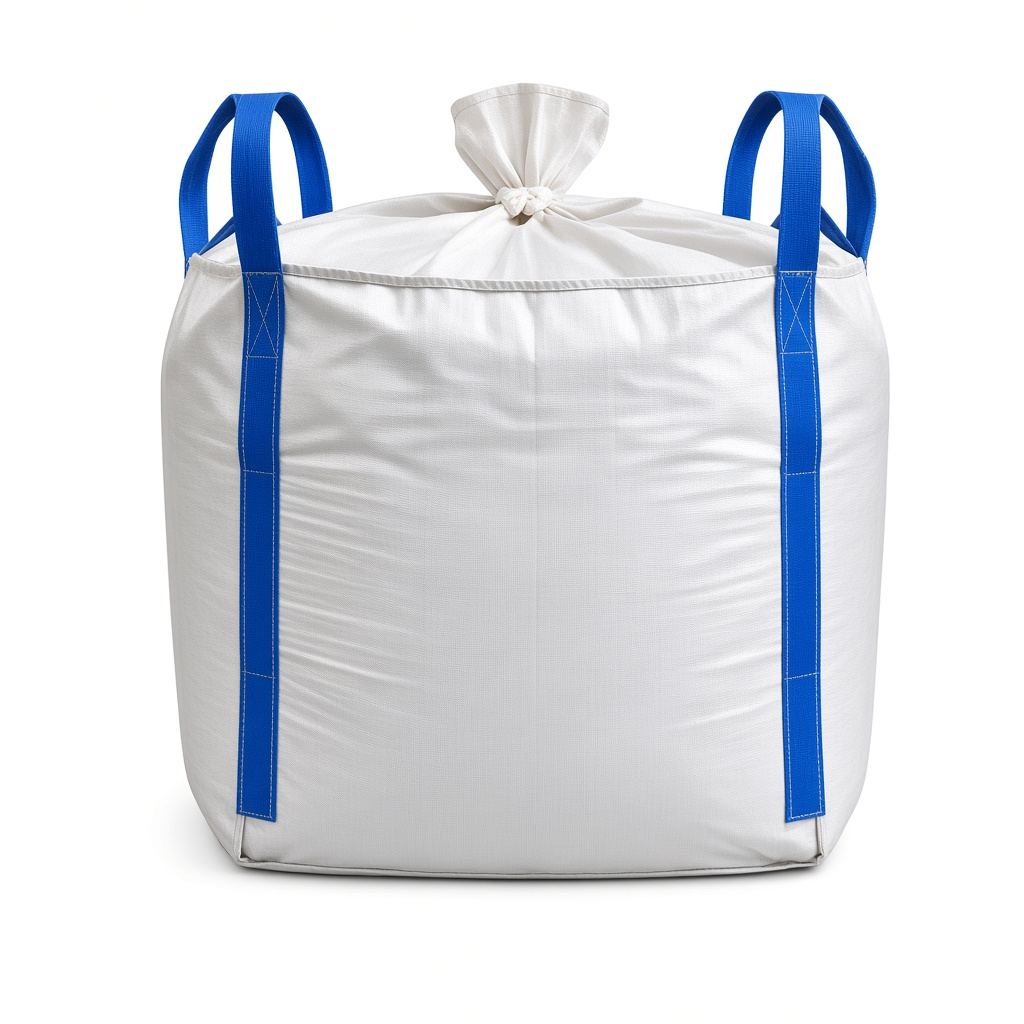
FIBC Jumbo Bags Explained: Type A, B, C and D, Safety Factor and Liners
Type A, B, C or D? 5:1 or 6:1? A clear guide to choosing the right FIBC jumbo bag for powders, granules and hazardous goods.
1. Static protection: Type A, B, C and D
Filling and emptying a bag creates static electricity. The bag type determines how that static is controlled (IEC 61340-4-4):
| Type | What it means |
|---|---|
| Type A | Plain woven PP with no static protection. Only for non-flammable products in non-flammable surroundings. |
| Type B | Fabric with a low breakdown voltage that prevents dangerous propagating brush discharges. For dry flammable powders, but not in flammable gas or solvent atmospheres. |
| Type C | Conductive fabric with interwoven threads that must be grounded during filling and emptying. |
| Type D | Antistatic (static-dissipative) fabric that safely dissipates static without grounding. |
If you handle flammable powders or work near solvents, Type C or Type D is usually required — always follow your site’s safety assessment.
2. Safety factor: 5:1 or 6:1
The safe working load (SWL) is the weight the bag is designed to carry. A 5:1 safety-factor bag is tested to hold five times its SWL and is meant for single use. A 6:1 bag is for multiple trips under a proper handling and inspection programme.
3. Construction choices
- Top: open top, duffle (skirt) or filling spout
- Bottom: flat bottom or discharge spout
- Loops: four corner loops, cross-corner loops or one- and two-loop designs
- Baffle / Q-bags: internal baffles keep a square shape for better stacking and container use
- PE liner: an inner liner adds moisture and contamination protection for fine powders and food
4. Food-grade and UN-certified FIBC
Food and pharmaceutical products need bags made in hygienic conditions with suitable certification for your market. Hazardous goods need UN-certified FIBC tested for the specific packing group. Ask for the documents before you order.
5. How to specify an FIBC
- Product, bulk density and safe working load
- Bag dimensions and fill/discharge style
- Type A, B, C or D
- Safety factor (5:1 or 6:1)
- Liner, printing, and food-grade or UN needs
- Quantity and destination
JainNexa International sources FIBC jumbo bags — standard, with PE liner, conductive / anti-static, baffle, food-grade and UN-certified — from verified Indian manufacturers. See our packaging solutions.
Frequently asked questions
What is the difference between Type C and Type D FIBC?
Type C bags are conductive and must be grounded during filling and discharge. Type D bags dissipate static without grounding.
What does a 5:1 safety factor mean?
The bag is tested to hold five times its safe working load and is designed for single use.
Do I need a liner in my jumbo bag?
A PE liner is recommended for fine, moisture-sensitive or food products to prevent sifting and contamination.
Need a quotation?
Send your product, specification, monthly quantity and destination. We reply with availability, options and next steps.